
Originally Posted On: https://travelandtourtips.com/does-a-wrangell-water-taxi-run-year-round-or-only-in-summer/
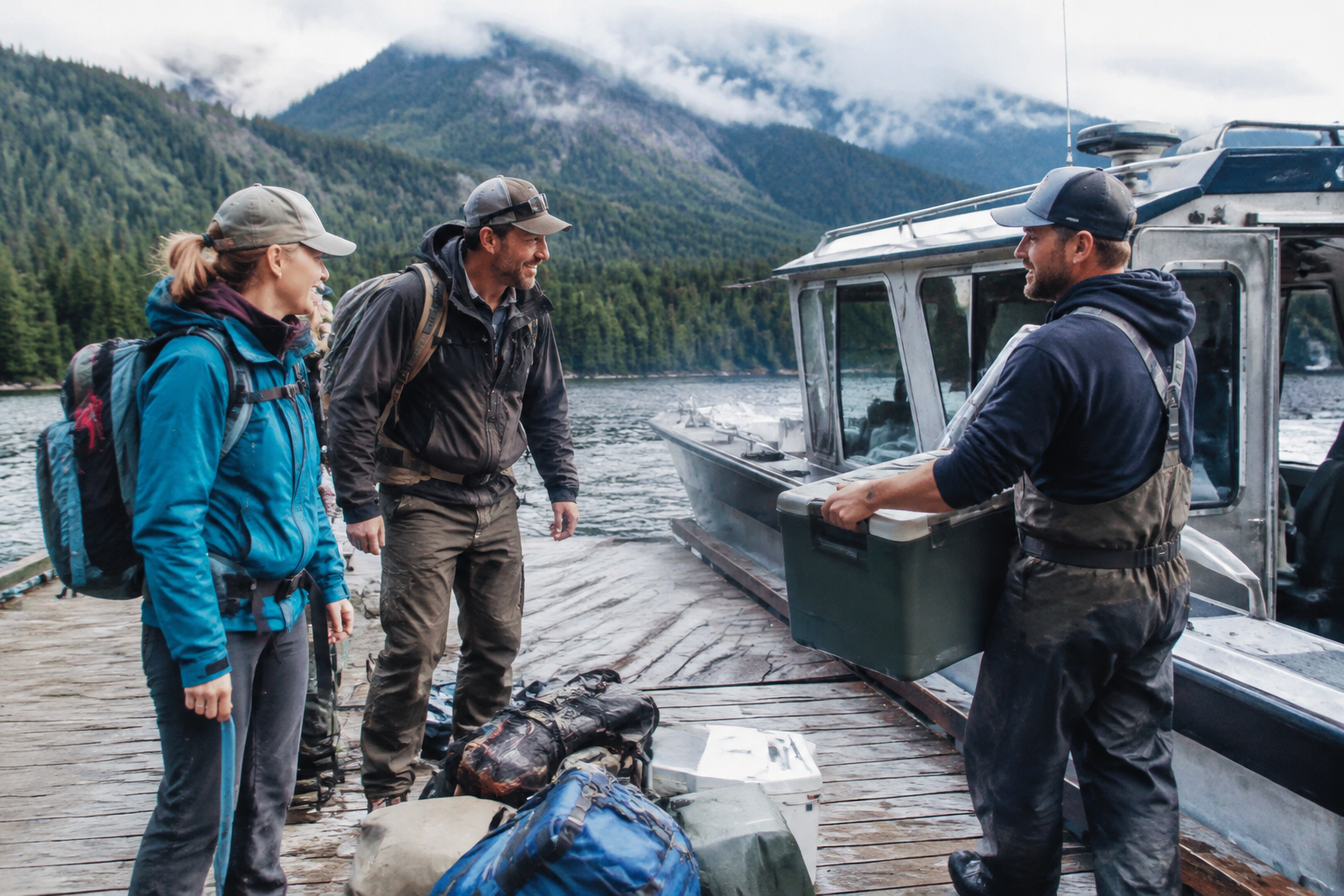
Most cabin renters assume the boats quit when the tourists do. They don’t. A Wrangell water taxi runs the ocean routes every day of the year, and that surprises folks who’ve booked a winter stay at Anan, Berg Bay, or Harding River and figure they’re on their own.
The river is a different animal. The Stikine has a real season, and it’s set by ice, silt, and how high the water is running, not by the calendar on your fridge. Mix those two up, and you’ll plan a pickup that can’t happen.
Here’s the plain version from someone who’s run these channels for 25 years: the ocean side never really closes, and the river side opens in spring and wraps up in fall. Weather still gets a vote on both. Daylight shrinks fast in December (and it matters more than most people expect), so the pickup window needs as much thought as the drop-off. Get that part right, and the rest of the trip tends to take care of itself.
Does a Wrangell water taxi run year-round?
A cabin renter stands on the dock in January with a duffel of food, a few jugs of stove fuel, and about six hours of daylight to work with. That’s the real winter picture. Yes, the ocean Wrangell water taxi runs daily all year, weather and route permitting.
The boat is the Island Cat, a 38′ catamaran. Its twin hulls give a steadier ride in chop, and the landing-craft bow lets crew load coolers, packs, and fuel straight onto the beach. Meet at the Reliance Harbor Loading Zone unless told otherwise. Airport pickup and drop-off can be arranged too.
Departure times shift with tides and daylight. Winter means shorter days and rougher water, so plan your pickup window early in the day. Cancellations happen only in the most extreme weather, and the crew tries to reach you if plans change.
Which ocean destinations stay open in winter?
Anyone booking a Berg Bay Cabin water taxi run can count on year-round service. So can most of the popular stops, and the crew explains how Wrangell water taxi services fit each route:
-
Anan Cabin
-
Berg Bay Cabin
-
Harding River Cabin
-
Banana Point
-
Coffman Cove and Whale Pass
-
Point Baker and Port Protection
-
Petersburg and Rocky Pass
Not on the list?
Custom routes can be arranged.
Is big game transporting also available all year?
Yes. It’s licensed by the State of Alaska, runs daily — year-round, and uses the same landing-craft bow to move gear and game.
When does the Stikine River water taxi operate?
The river runs April through September. That’s the season, and it shifts a bit depending on where you’re headed. A Best water taxi in Wrangell search will show daily departures in that window, while the ocean side of the business keeps going all year.
Why the cutoff? Ice, mostly. Then there’s river height, shallow channels, shifting gravel bars, floating logs, and rocks that don’t show on a chart. A jetboat with a shallow draft and a clean hull can work through water that would ground a deep-keel vessel. The boats are covered and heated, which matters in April rain. Groups run up to 34 guests.
Destinations on the river include:
-
Telegraph Creek (Canada)
-
The U.S./Canada border
-
Mt. Flemmer Cabin
-
Shakes Cabins
-
Twin Lakes Cabin
-
Mt. Rynda Cabin
Customs paperwork for Canada trips is prepared for you. One less headache. If your plans start on salt water instead, the Banana Point water taxi run is a good example of the ocean service, and anyone sorting out a Water taxi to Wrangell arrival can ask about airport pickup.
How does river height change the schedule?
Water level sets the day. High water floods the channels, pushes logs downstream, and makes the current hard to read. Low water exposes gravel bars and cuts the routes a boat can run.
Silt matters too. Glacial melt turns the river opaque, so a captain reads ripples and color instead of seeing the bottom. In practice, departure times and the exact channel get decided that morning. Plan for flexibility, and expect a call if timing moves.
How does a water taxi work for a USFS cabin stay?
Wondering what actually happens between the dock and your cabin door? It’s simpler than most people expect. You book a drop-off and a pickup window, meet at the loading zone, load your food, fuel, and gear, and ride to the cabin. That’s the whole idea. A Wrangell water transport run is built around that handoff.
-
Book. Pick your cabin, dates, and pickup window.
-
Meet. Show up at Reliance Harbor Loading Zone unless told otherwise.
-
Load. Guests help at the dock and again at the destination. The crew organizes it all.
-
Ride. Expect a covered, stable trip on a catamaran with a landing-craft bow.
-
Pickup. The boat returns at your agreed window, and the crew contacts you if weather shifts things.
Gear, add-ons, and paddling craft
The drop-bow makes heavy loads easier. Coolers, stove fuel, and food totes roll off close to shore. Need extras? Bear spray, fuel for cabin stoves, and other gear can be added by request.
Bringing a canoe or other paddling craft? Say so in advance. The crew has to arrange the right vessel before you show up.
Pack for spray
Rough water happens. Spray happens more. Use dry bags for sleeping bags, clothes, and electronics, and keep rain gear on top where you can grab it. Cardboard boxes don’t survive a wet landing.
For a deeper look at the rest of the fleet, see Water transportation in Wrangell beyond the taxi runs.
What happens to my pickup if the weather turns bad?
Out of a typical year of ocean runs, only the worst gale days actually shut a Wrangell water taxi down. That’s the short answer. Ocean trips get canceled only in the most extreme weather — the crew makes every effort to contact guests about delays or changes.
Still, “extreme” has limits. Wind over a steady 25 knots against a running tide stacks up steep chop that no hull handles gracefully. Fog is different. It slows the boat and stretches the trip, but a captain who knows the channels can usually run it. Winter adds a squeeze: daylight can drop to around six hours, so a late pickup may have to wait for morning.
The catamaran gives a smoother ride than a typical vessel in rough water. But nobody beats a gale. Plan around that.
Here’s how cabin guests stay ahead of it:
-
Build in a buffer day. Don’t book a flight or ferry out the same afternoon as pickup.
-
Pack extra food. Carry at least two days beyond your plan, plus stove fuel.
-
Share a contact plan. Leave a phone number and, if you can, carry a satellite messenger since cell service is spotty.
If pickup slips, stay put at the cabin. Don’t try to paddle or hike out. Reach out through your messenger or the crew’s number, and they’ll reschedule at the first workable window. Details on routes and loading are covered under Wrangell Alaska water transportation, and the Coastal water taxi Wrangell page lists the cabin drop-off locations.
How far ahead should I book a Wrangell water taxi, and what should I confirm?
Waiting for good weather before you book is a mistake. Weather doesn’t open seats on a boat, and summer and hunting season fill the calendar fast. The better rule: book the moment your cabin reservation is confirmed. A Water taxi in Wrangell runs daily on the ocean side, but availability still depends on the date, the route, and the tide.
Contact the company directly for availability and details. Each trip is planned around your destination, so a quick call or message beats guessing. Anyone comparing a Wrangell Alaska boat taxi against other options should ask the same questions.
Here’s the checklist a captain wants in hand:
-
Dates for both drop-off and pickup
-
Destination, such as a USFS cabin or a remote beach
-
Group size (the ocean catamaran carries 1 to 21 people)
-
Gear volume: food, fuel, bags, coolers
-
Paddling-craft needs, like a canoe, so the right vessel gets lined up
-
Pickup window and a backup plan if the weather turns rough
-
Loading zone and meeting time at the harbor
-
Bathroom on board, if anyone in your party needs one
The landing-craft bow makes loading easier, though your group still helps move gear at the dock and at the beach. Pack it so it moves fast.
Pickup reliability is the whole trip.
Cabin stays don’t end when summer does. The ocean boat runs daily all year, so a December trip to Anan or Harding River is as bookable as an August one. The riverside is different. Stikine service opens in April and closes in September, and river height can shift the schedule on any given day.
Plan around daylight and weather, not the calendar.
Winter days are short, and the pickup window has to fit inside them. A spare day of food and fuel turns a delayed pickup into a minor inconvenience instead of a crisis. The crew cancels only in the most extreme conditions and makes every effort to reach guests when plans change, but no boat beats a gale.
A Wrangell water taxi works best when the details are settled early. Gear volume, group size, paddling craft, and the pickup window all shape how the trip gets loaded and run.
Next step: once the cabin reservation is confirmed, contact Muddy Water Adventures with the dates, destination, group size, and gear list. Ask about availability and whether a bathroom on board matters for the group. Settle the pickup first. The rest of the trip depends on it.


