
Key Takeaways
- Citronella works by masking the scents mosquitoes use to find humans – it does not kill them; it confuses them.
- Candles and living “mosquito plants” offer very little real-world protection, especially outdoors in a breeze.
- Topical formats like sprays and clothing-based patches deliver far more reliable results than ambient options.
- Formulation matters enormously – pure citronella can lose effectiveness in under 20 minutes, while well-formulated products may extend protection up to 2 hours or more, depending on concentration, ingredients, and mosquito species.
- Layering citronella-based protection with other strategies is the most effective approach for keeping kids bite-free.
Citronella has earned a permanent spot in backyard culture – candles on the porch, potted “mosquito plants” by the door, maybe a spray before a hike. For parents trying to make smart choices for their kids, the real question goes beyond whether it works. Which form actually works, and for how long? The answers are more nuanced than most product labels let on.
Citronella Works – But Not the Way Most Parents Think
Citronella is a genuine mosquito repellent. That part is true. But the effectiveness gap between different citronella products is wide enough that two parents could both say they use citronella and have completely different outcomes – one kid covered in bites, the other mostly fine.
The oil itself comes from Cymbopogon species – a type of lemongrass – and contains active compounds like citronellal, citronellol, and geraniol. These are real, scientifically recognized repellent agents. The problem is not the ingredient; it is how it is delivered and how long it stays active.
How Citronella Actually Repels Mosquitoes
Scent Masking, Not Killing
Citronella does not harm mosquitoes – it hides you from them. Mosquitoes locate hosts by tracking chemical signals: the carbon dioxide exhaled with every breath, lactic acid from sweat, and other body odors. Citronella’s compounds interfere with the sensory receptors mosquitoes rely on to follow those signals, essentially jamming their ability to home in on a target.
It is a passive defense. When it is working, mosquitoes have a harder time locating a host. When it fades, that shield disappears – often without any visible sign that it is gone.
Why It Wears Off So Fast
The core limitation of citronella is its volatility. The active compounds evaporate quickly, especially in warm or breezy conditions. Pure citronella applications can lose effectiveness in under 20 minutes, with some sources placing the range between 20 and 60 minutes depending on conditions. That is a short window – shorter than most outdoor activities involving kids.
Formulation is what changes that equation. Research has found that properly formulated citronella products, at specific concentrations, can provide up to 2 hours of protection – and in some studies involving certain mosquito species or higher concentrations, protection has extended further. Results vary based on formulation, concentration, and the mosquito species involved. Blending citronella with stabilizing agents or complementary oils like cedarwood, lemongrass, or rosemary can significantly extend its working life. Products that skip this step leave users underprotected faster than they realize.
Candles and Plants: Mostly Myths
What Citronella Candles Actually Do
Citronella candles are more atmosphere than armor. A study published in the Journal of the American Mosquito Control Association found that citronella candles offered minimal protection against mosquito bites, with effectiveness significantly lower than topical repellents. The scent disperses quickly, and any passing breeze renders the localized protection essentially useless in open spaces.
That does not mean they have zero value – a cluster of candles in a small, wind-sheltered area might reduce mosquito activity slightly. Treating them as reliable protection for a child playing in the yard, however, is a mistake.
The Mosquito Plant Misconception
The potted plants marketed as mosquito plants are typically a variety of scented geranium – not a true citronella source. Even genuine lemongrass plants do not naturally release enough repellent oil into the surrounding air to deter mosquitoes. The leaves have to be crushed and applied directly to the skin to release the active compounds in any meaningful quantity. A plant sitting on the porch, no matter how fragrant, is not doing the protective work most parents assume it is.
Topical Options Outperform Everything Else
Sprays and Lotions: Short-Lived but Effective
When citronella is applied directly to the skin or clothing in concentrated form, it works noticeably better than ambient options. Sprays and lotions create a consistent surface barrier that mosquitoes have to contend with directly, rather than relying on dispersed scent in the air.
The trade-off is reapplication. Even well-formulated sprays typically need to be reapplied every 60 to 120 minutes, and that window shortens with sweating, swimming, or high heat. For active kids outdoors, keeping up with reapplication is a real challenge – and gaps in coverage are gaps in protection.
Patches: Convenient, Clothing-Based Protection
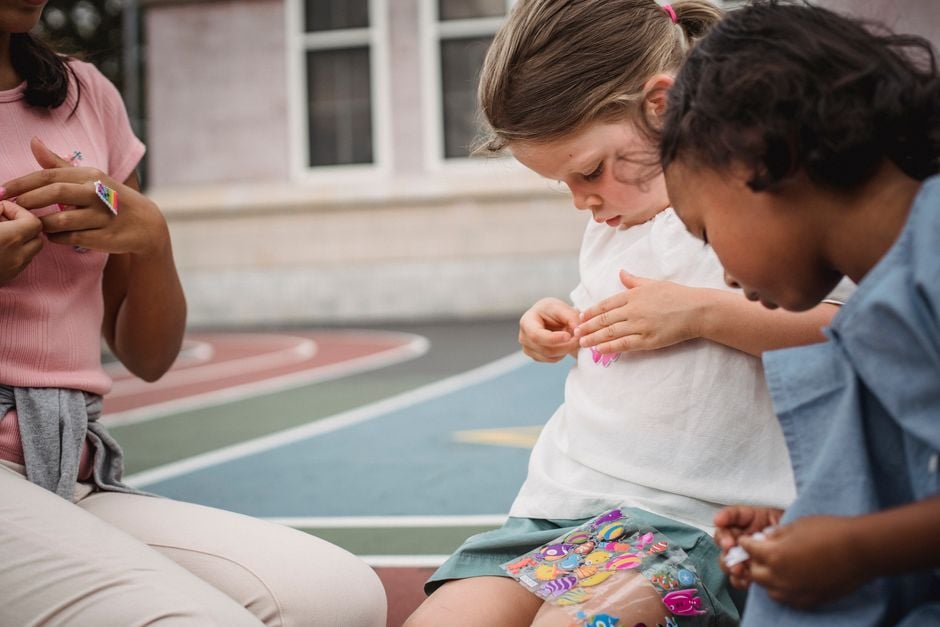
Patches take a different approach: instead of applying oil to skin, the repellent is infused into a fabric patch that adheres to clothing. This sidesteps skin sensitivity concerns entirely and removes the mess and resistance that often come with sprays on children. Because the patch releases the oil gradually rather than all at once, the effective window can extend significantly. NatPat’s BuzzPatch, for example, is designed for up to 8 hours of use per patch – a product-specific claim based on its slow-release formulation. That kind of duration is more practical for a full day at camp, a long outdoor birthday party, or an evening in the backyard after dinner.
Is Citronella Safe for Kids?
Citronella is plant-derived, free from DEET and other synthetic chemicals, and widely used in pediatric-focused repellent formulas. That said, like many plant-based ingredients, it can cause skin irritation or allergic reactions in some individuals – particularly young children – and should always be properly diluted before any skin contact. Undiluted essential oils should never be applied directly to a child’s skin.
For younger children especially, choosing products specifically formulated for kids – with tested concentrations and skin-safe carriers – is the right call. Clothing-based application, like patches, avoids the direct-skin question altogether, which is one reason that format appeals to parents of younger kids. Lemon eucalyptus oil is another CDC-approved natural option, though researchers caution against using it on children under 3 years old.
Boost Protection: Layer Your Defenses
No single repellent strategy – natural or synthetic – covers every variable. Citronella works best as one layer in a broader approach. A few practical additions that make a real difference:
- Eliminate standing water around the yard – mosquitoes breed in even small pools of stagnant water, like bottle caps or bird baths.
- Run a fan outdoors – mosquitoes are weak fliers and struggle in moving air, making a simple box fan surprisingly effective.
- Use screens and netting for porches, strollers, or play areas where kids spend extended time.
- Time outdoor play to avoid peak mosquito hours, typically dusk to dawn.
- Layer repellent formats – a patch on clothing plus a light topical spray covers more surface area and provides redundancy if one wears off.
This kind of layered approach reflects what experts at organizations like the CDC and the National Pesticide Information Center consistently recommend: repellents work best as part of a system, not a standalone solution.
DEET-Free Patches Offer Kids a Gentler, Practical Option
For parents who want to avoid DEET but need something that actually lasts through a full outdoor activity, citronella patches are worth serious consideration. They skip the application friction – no spraying near faces, no lotioning resistant toddlers – and the clothing-adhesive format means the child’s skin is not involved at all.
NatPat
Melbourne
Melbourne
Victoria
3000
Australia


