
How Home Washing Can Permanently Damage Fine Garments
North Bethesda, United States – July 15, 2026 / Parkway Custom Drycleaning /
Why Ignoring a Dry Clean Only Label Can Ruin Clothing
Parkway Custom Drycleaning Explains the Risks of Washing Tailored and Delicate Garments at Home
NORTH BETHESDA, Md. – A quick glance at the care label inside a blazer, wool coat, silk dress, or cashmere garment may reveal an important instruction: “Dry Clean Only.” Ignoring that warning can cause irreversible damage to the fabric, color, shape, lining, and internal construction of an investment garment.
According to Parkway Custom Drycleaning, consumers should understand that “Dry Clean” and “Dry Clean Only” do not communicate the same level of caution. “Dry Clean” generally identifies the manufacturer’s recommended cleaning method. “Dry Clean Only,” however, indicates that the manufacturer determined that water-based cleaning could cause damage that may not be reversible.
Before deciding to skip professional cleaning, garment owners should consider what can happen to delicate fabrics and tailored structures when they are exposed to water, agitation, and heat.

Hidden Garment Construction May Not Survive Water
Many garments labeled “Dry Clean Only” are made from more than the visible outer fabric. They contain multiple layers and structural components that work together to maintain the garment’s shape, fit, and appearance.
Interfacing Can Bubble, Shift, or Break Down
Interfacing is the stiff supporting material placed inside areas such as collars, cuffs, and blazer lapels. It helps create the defined shape visible on the outside of the garment.
In many garments, interfacing is attached with heat-activated adhesive or light stitching. Exposure to water and agitation can weaken these connections. Once damaged, the interfacing may bubble, shift, separate, or dissolve into a gummy material that ordinary ironing cannot correct.
Shoulder Padding Can Permanently Collapse
Shoulder padding is commonly constructed from shaped layers of foam, wool felt, or other materials designed to maintain a particular form under dry conditions.
When saturated with water, these layers may compress and lose their original shape. The result can be flattened or distorted shoulders that no longer support the garment’s intended silhouette. Steaming and pressing are usually unable to restore padding that has structurally collapsed.
Linings and Outer Fabrics May Shrink Differently
Garment linings are often made from fibers that differ from the outer shell. Because each material responds differently to moisture and heat, the lining and shell may shrink at different rates.
For example, washing a wool coat with a polyester lining may cause one layer to tighten while the other remains comparatively loose. This uneven response can create bunching, pulling, sagging, and distortion around seams.
Modern garments may also rely on adhesive bonding to hold certain components together. Washer and dryer heat can weaken those bonds and cause internal layers to separate.
What Washing Can Do to a Wool Blazer or Suit Jacket
Wool fibers have a naturally scaly surface. When exposed to moisture, heat, and agitation, those scales can lock together through a process known as felting.
A single washing-machine cycle may shrink a wool blazer by a full size or more. Because the lining may not shrink at the same rate, it can bunch, pull away from seams, or distort the garment’s fit.
The internal shoulder structure may also flatten or collapse. The sharp shoulder line that gave the blazer its tailored appearance can disappear, while the lapel roll – the subtle curve along the front edge – may become permanently flat.
A high-quality blazer can emerge from one wash cycle looking severely shrunken, misshapen, and structurally damaged. In many cases, professional pressing cannot restore the original construction.
What Home Washing Can Do to a Silk Dress
Silk presents a different set of risks when exposed to water.
Water Spots and Uneven Drying
Silk can absorb moisture unevenly, leaving rings, shadows, and blotches as the fabric dries. Once these marks become established, washing the garment again may not produce an even appearance.
Dye Bleeding and Color Changes
Many silk garments contain dyes that are not completely colorfast, particularly in dark, vibrant, or highly saturated shades.
Home washing may cause fading, color transfer, or irregular patches of discoloration. Instead of changing evenly, the color may shift in isolated areas and permanently alter the garment’s appearance.
Loss of Silk’s Natural Sheen
Silk’s luminous appearance comes from the smooth structure of its fibers. Water and improper handling can weaken or roughen that structure at a microscopic level.
Although the garment may remain wearable, the fabric can lose its characteristic shine and appear dull, tired, or uneven.
Puckered and Distorted Seams
Silk fabric and the thread used to sew it may react differently to water. This uneven shrinkage can create puckering along seams, hems, and decorative details.
Even careful hand washing may damage dyed, embellished, lined, or structured silk garments.
What Water Can Do to Cashmere and Camel Wool Coats
Cashmere is valued for its loft – the soft, airy quality created by extremely fine, uncompressed fibers.
Water and agitation can flatten that loft through matting and felting. Once the fibers become compacted, the original softness may not return. A garment that once felt light and cloud-like can become dense, rough, and flattened.
A cashmere or camel wool coat may also experience shoulder distortion and significant length shrinkage. A coat tailored to the wearer’s frame can become shorter, tighter, or uneven.
As with wool blazers, the lining and outer shell may shrink at different rates. This can cause the coat to bunch, sag, pull at the seams, or feel lumpy when worn.
The financial consequences can be substantial. Restoring a severely damaged cashmere coat, when restoration is possible, may cost considerably more than professional dry cleaning would have cost before the damage occurred.
Damage That May Look Reversible but Is Not
Several types of washing-related damage cannot be corrected with stretching, steaming, brushing, or home remedies.
Felted wool remains felted after the fibers have locked together. Water-stained silk may become permanently discolored when ironing heat sets the mark into the fabric. Dissolved or separated interfacing generally cannot be replaced without opening the garment and rebuilding its internal structure.
Dye that has bled and set becomes part of the garment’s altered color rather than a removable surface stain. Collapsed shoulder padding may require full replacement because the original material has permanently lost its shape.
These problems demonstrate why the “Dry Clean Only” instruction protects both the visible fabric and the construction beneath it.
Safe At-Home Care Between Professional Cleanings
Garments do not necessarily need professional cleaning after every wear. Several maintenance practices can help keep them fresh and extend the time between visits to a dry cleaner.
Garment owners can use gentle steam to release light wrinkles and odors without immersing the fabric in water. Fresh spots may be carefully blotted with a barely damp cloth, working from the outside of the affected area toward the center to help prevent spreading.
Clothing should also be aired after wear so that moisture and odors can dissipate before the garment is returned to a closet. A soft garment brush can remove dust and surface debris from wool before particles settle deeper into the fibers.
Properly shaped hangers are especially important for blazers, coats, and other structured pieces. They support the shoulders and help the garment maintain its intended form.
These practices can extend the life of fine clothing, but they do not replace professional dry cleaning.
Signs a Garment Needs Professional Cleaning
Addressing stains and odors early can improve the outcome of professional cleaning. Garments worn to formal events, dinners, or extended gatherings may benefit from professional attention before invisible residue has time to oxidize and become permanent.
Yellowing Around Collars and Underarms
Faint yellowing or shadowing may be caused by body oils and perspiration. When left untreated, these residues can oxidize and become increasingly difficult to remove.
Lingering Fragrance or Odor
Perfume, cologne, smoke, food odors, and body oils can accumulate in fibers after multiple wears. A scent that remains after airing may indicate that the garment requires professional cleaning.
Fresh, Light Stains
Stains are often easier to treat while they are still fresh and soluble. Waiting allows them to react with oxygen, heat, and the garment’s fibers, increasing the risk that they will set.
Creases That Do Not Respond to Steam
Deep creasing or structural wrinkles that remain after light steaming may indicate that the fabric and internal construction need professional cleaning and finishing.
These warning signs do not necessarily mean the garment has been ruined. They indicate that timely care may prevent a manageable issue from becoming permanent.
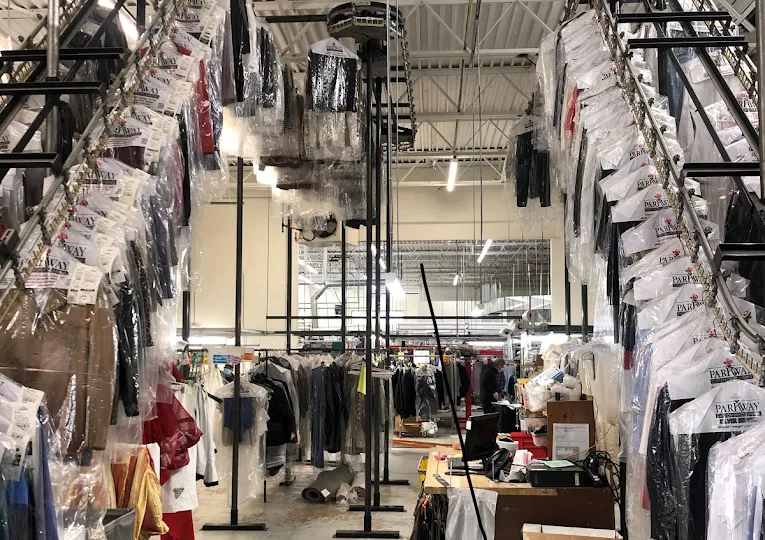
Parkway Custom Drycleaning Protects Investment Garments
Tailored blazers, silk dresses, wool suits, and cashmere coats require a cleaner that understands fine fabrics and complex garment construction.
Parkway Custom Drycleaning provides fine garment care throughout the metropolitan Washington, D.C., region. For 100 years, its clientele have trusted the company to care for delicate and special garments with close attention to fabric, dyes, interfacing, shoulder padding, linings, seams, and tailored details.
The company’s services include eco-friendly cleaning, detailed inspections, extraordinary hand finishing, and pickup and delivery throughout much of metropolitan Washington, D.C., Montgomery County, Maryland, and Northern Virginia.
Garment owners can schedule professional service with Parkway Custom Drycleaning to help protect the appearance, structure, and long-term value of their wardrobes.
Contact Parkway Custom Drycleaning
Phone: (301) 965-1828
Location: 5455 Randolph Road, North Bethesda, MD 20852


Contact Information:
Parkway Custom Drycleaning
5455 Randolph Rd, North Bethesda, MD 20852, United States
North Bethesda, MD 20852
United States
Jon Simon
https://www.parkwaydrycleaning.com/


Original Source: https://www.parkwaydrycleaning.com/understanding-dry-clean-only-label/


