Key Takeaways
- Chronic foot odor stems from bacteria feeding on sweat and dead skin cells, producing sulfur compounds that create persistent smell
- Five natural strategies can effectively reduce odor-causing bacteria: salt water soaks, vinegar treatments, daily hygiene routines, moisture control, and antimicrobial powders
- Foot spas enhance bacterial reduction through deep cleaning, improved circulation, and consistent heat application that traditional washing can’t achieve
- Combining proper toenail care, shoe disinfection, and regular exfoliation creates an environment where bacteria struggle to thrive
Persistent foot odor can feel like an embarrassing battle that never ends. The truth is that chronic bromodosis isn’t just about poor hygiene—it’s a complex bacterial ecosystem that requires targeted strategies to break the cycle of smell-causing microorganisms.
Why Bacteria and Fungi Are the True Culprits Behind Your Foot Odor
Foot odor develops when bacteria break down sweat and dead skin cells on the feet, producing volatile organic compounds that create that unmistakable smell. The feet contain over 250,000 sweat glands—more per square inch than anywhere else on the body—creating an ideal breeding ground for odor-producing microorganisms.
Several types of bacteria contribute to chronic foot odor, including **Brevibacterium**, **Staphylococcus epidermidis**, **Propionibacterium**, and **Corynebacterium**. These bacteria thrive in warm, moist environments and feed on keratin protein found in dead skin cells. As they metabolize these proteins, they release sulfur compounds, organic acids, and ammonia-like substances that produce the characteristic foot odor smell.
Fungi, particularly those that cause athlete’s foot, also contribute to persistent odor by creating secondary bacterial infections and breaking down skin tissue. This creates a cycle where damaged skin becomes more susceptible to bacterial colonization, making the odor problem progressively worse without proper intervention.
5 Natural Strategies That Target Odor-Causing Bacteria
Breaking the bacterial cycle requires consistent application of strategies that directly target the microorganisms causing the problem. These five natural approaches work by either reducing bacterial populations, eliminating their food sources, or creating environments where they cannot thrive.
1. Salt Water Soaks for Moisture Control
Epsom salt soaks help reduce foot odor by creating a less hospitable environment for bacteria and drawing moisture from the skin. Dissolve half a cup of Epsom salt in warm water and soak feet for 15-20 minutes three times per week.
The salt also helps reduce inflammation and soften dead skin cells, making them easier to remove during exfoliation. This dual action addresses both the immediate bacterial problem and the underlying skin buildup that feeds odor-causing microorganisms. Regular salt soaks can significantly reduce bacterial populations when used consistently over several weeks.
2. Vinegar Soaks for pH Balance
Vinegar creates an acidic environment that significantly inhibits the survival and reproduction of most odor-causing bacteria. Mix two parts warm water with one part white or apple cider vinegar for a 15-minute foot soak once weekly. The acidic pH of 2.5-3.5 makes it difficult for most odor-causing bacteria to survive.
Apple cider vinegar contains additional antimicrobial compounds like acetic acid and malic acid that provide enhanced bacterial reduction. Professional foot spas can enhance vinegar treatments by maintaining consistent temperature and providing deep cleaning through sustained heat application. Avoid vinegar soaks if you have open cuts or sensitive skin, as the acidity can cause irritation.
3. Daily Hygiene and Exfoliation Routines
Thorough daily washing with antibacterial soap removes surface bacteria and prevents accumulation of dead skin cells that serve as bacterial food sources. Use a washcloth to scrub between toes and around nail areas where bacteria commonly hide.
Weekly exfoliation with a pumice stone or foot scrub eliminates the keratin-rich dead skin that bacteria feed on. Focus on areas with thick skin buildup, particularly the heels and ball of the foot. This mechanical removal of bacterial food sources can effectively reduce odor-causing populations when combined with proper washing techniques.
4. Moisture Control and Breathable Footwear
Bacteria require moisture to survive and reproduce, making moisture control essential for long-term odor reduction. Change socks immediately when they become damp, and choose moisture-wicking materials like merino wool or synthetic blends that pull sweat away from skin.
Rotate shoes daily to allow complete drying between wears. Natural materials like leather and canvas often provide better breathability than many common synthetic materials, helping to reduce the humid environment where bacteria thrive, though some advanced synthetic materials are also designed for breathability. Consider using cedar shoe trees or antimicrobial shoe sprays to maintain a bacteria-hostile environment inside footwear.
5. Antimicrobial Foot Powders and Essential Oils
Tea tree oil contains terpenes and other compounds that directly kill bacteria and fungi on contact. Dilute 2-3 drops in a carrier oil or add to foot soaks for antimicrobial benefits. Tea tree oil demonstrates strong antimicrobial effectiveness when used regularly.
Cornstarch-based foot powders absorb excess moisture while creating a dry environment that inhibits bacterial growth. Baking soda powder also provides antimicrobial benefits through its alkaline pH, which disrupts bacterial cell function. Apply powders to clean, dry feet and inside shoes for maximum effectiveness.
How Foot Spas Enhance Bacterial Reduction
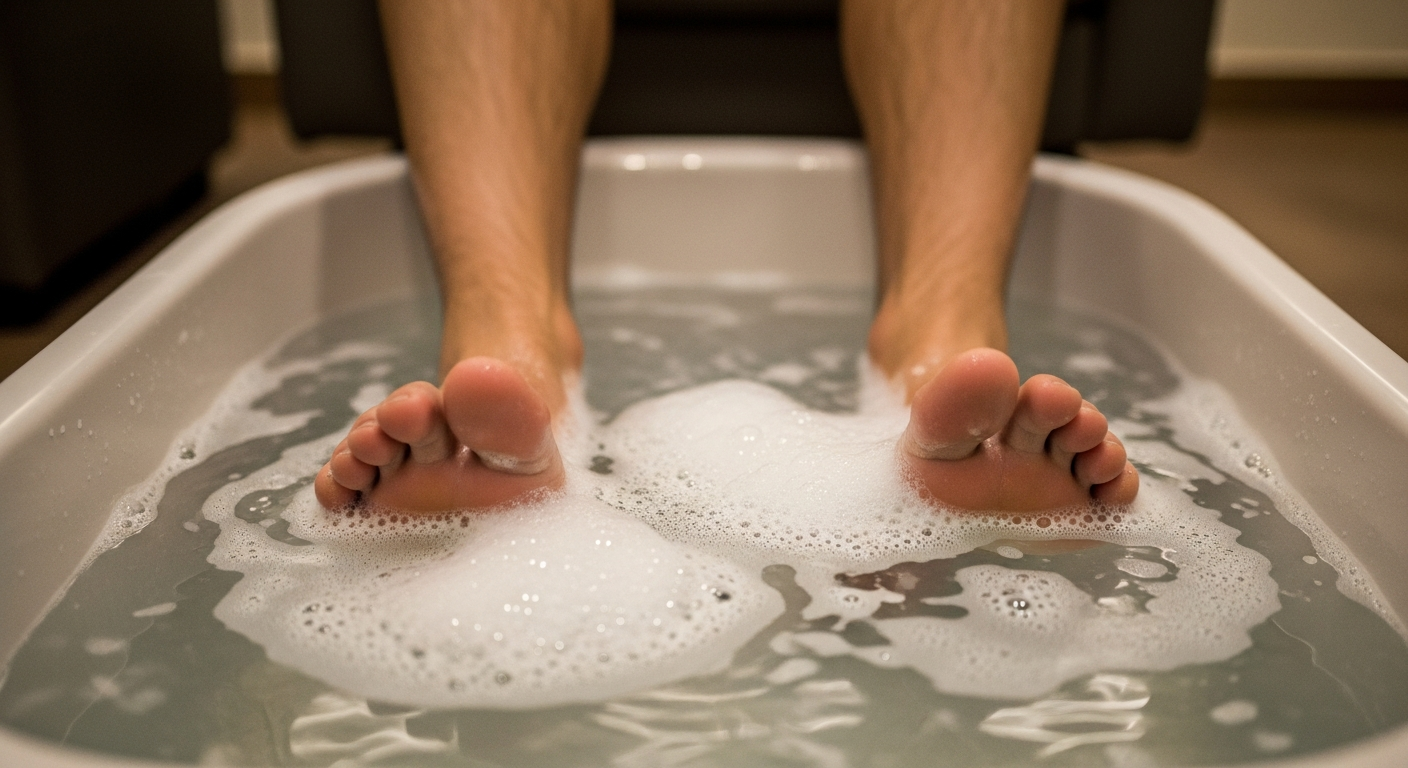
Foot spas provide advantages that basic washing cannot achieve through sustained heat, deep penetration, and consistent treatment protocols. The combination of warm water immersion and targeted technologies creates optimal conditions for bacterial reduction.
Deep Cleaning Beyond Surface Level
Sustained warm water immersion softens dead skin layers and opens pores, allowing antimicrobial treatments to penetrate deeper than surface washing. The mechanical action of bubbles and jets helps dislodge bacteria from crevices between toes and around nail beds where they commonly accumulate.
Salt water’s antimicrobial properties create an effective approach to bacterial reduction that addresses both surface organisms and helps maintain a cleaner foot environment through regular use.
Warm Water Benefits and Circulation
Consistent heat application of 98-104°F improves blood circulation, which enhances the body’s natural immune response to bacterial infections. Better circulation also helps deliver nutrients to skin cells, promoting faster healing of minor cuts or cracks that can become bacterial entry points.
The warm environment makes dead skin easier to remove through gentle mechanical action, reducing the protein-rich material that bacteria feed on. Extended soaking time—typically 20-30 minutes—allows for thorough bacterial reduction that quick showers cannot achieve.
Proper Spa Hygiene for Maximum Benefits
Clean foot spa basins thoroughly between uses to prevent cross-contamination and bacterial buildup within the device itself. Use disinfectant solutions specifically designed for foot spa equipment, and allow complete air drying before storage.
Replace or disinfect removable components like massage attachments regularly to prevent biofilm formation. Biofilms can harbor resistant bacterial strains that reduce treatment effectiveness and potentially worsen odor problems over time.
Additional Natural Methods That Support Foot Health
Supporting overall foot health creates an environment less conducive to bacterial overgrowth while addressing contributing factors that exacerbate odor problems. These supplementary strategies work synergistically with primary bacterial reduction methods.
Proper Toenail Care and Dead Skin Removal
Keep toenails trimmed to prevent moisture and debris accumulation underneath, which creates protected spaces where bacteria can multiply. Clean under nails regularly with a nail brush to remove accumulated bacteria and dead skin particles.
Address fungal nail infections promptly, as they create secondary bacterial infections that worsen odor problems. Fungal infections damage nail structure, creating additional hiding places for bacteria and making the nail area more difficult to clean effectively.
Shoe Disinfection and Rotation
Spray shoe interiors with antimicrobial solutions containing ethanol or other sanitizing ingredients after each wear. Remove insoles when possible to allow thorough cleaning and drying of all shoe surfaces where bacteria can survive.
Use UV sanitizing devices or antimicrobial powders in shoes during rest periods to maintain a bacteria-hostile environment. Placing shoes in the freezer overnight can help reduce bacterial activity, though this method is less convenient than chemical disinfection approaches.
Start Your Natural Foot Odor Solution Today
Chronic foot odor responds well to consistent application of bacterial reduction strategies, with most people seeing noticeable improvements within 2-4 weeks of regular treatment. The key to success lies in combining multiple approaches rather than relying on any single method.
Begin with daily hygiene improvements and weekly salt or vinegar soaks, then add moisture control measures and antimicrobial treatments as your routine becomes established. Track your progress by monitoring odor intensity and frequency to identify which combinations work best for your specific bacterial profile.
Remember that complete odor elimination may take several months of consistent treatment, as deeply embedded bacterial colonies require time to eliminate completely. Persistence with natural methods typically provides lasting results without the side effects associated with harsh chemical treatments.
Discover advanced ionic foot spa technology and natural wellness solutions at Healifeco.
Healifeco
1309 Coffeen Avenue
STE 1200
Sheridan
Wyoming
82801
United States


