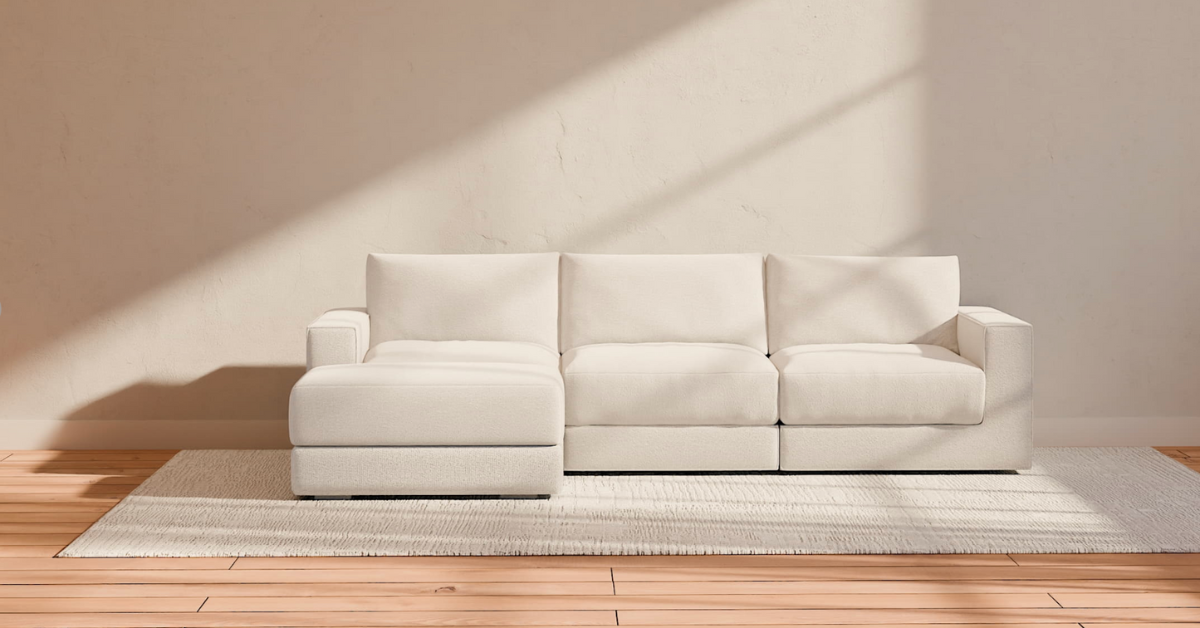
As shoppers push back on disposable “fast furniture,” DreamSofa is pairing a cushion trade-in program, zero-VOC finish, and a warranty to keep sofas in service
BEVERLY HILLS, CA, UNITED STATES, July 9, 2026 /EINPresswire.com/ — DreamSofa, the direct-to-consumer custom furniture company, is positioning itself against one of the least-discussed waste problems in the home: the sofa that gets hauled to the curb every few years. Furniture is among the most difficult household categories to recycle, and low-cost upholstered pieces are frequently discarded rather than repaired. DreamSofa’s counter-argument is a set of design and service choices intended to extend how long a single sofa stays useful — and, the company says, wanted.
The centerpiece is the DesignXchange™ Cushion Trade-In Program, which lets owners trade in their cushions for a different style or firmness rather than replacing an entire sofa when tastes or needs change. A household that wants a firmer seat, a fresh look, or an update after years of use can refresh the piece at the cushion level. Paired with removable, upgradeable covers that can be swapped as a room’s palette evolves, the approach is designed so that a sofa can be visually and functionally renewed several times over its life without a trip to the landfill.
“The furniture industry has quietly adopted the same disposable model as fast fashion, and customers are tired of it,” said a DreamSofa spokesperson. “A sofa shouldn’t be something you replace every few years because the cushions flattened or the color went out of style. With a cushion trade-in and swappable covers, you change the sofa instead of throwing it out. That’s better for the customer’s wallet and better for the waste stream.”
Materials are the second half of the strategy. DreamSofa finishes its pieces with non-toxic, zero-VOC materials, a choice aimed at indoor air quality as much as environmental impact, since conventional finishes can off-gas volatile organic compounds into the home. The company manufactures in the United States, which shortens supply chains relative to overseas mass production, and builds on kiln-dried hardwood frames rated to last — the structural foundation that makes a decade-plus lifespan realistic in the first place.
Longevity is backed by warranty rather than marketing language. Every frame carries a lifetime warranty, and the seating uses CertiPUR-US certified foam, which is independently tested for content and emissions and offers better long-term recovery than the low-density fills common in inexpensive furniture. DreamSofa’s position is that durability is the real sustainability story: the greenest sofa is the one a household keeps, and a frame engineered to outlast several cover changes keeps far more material in use than any single “eco” fabric can offset.
The build-to-order model itself plays a role. Because DreamSofa manufactures each piece only after a customer orders it, the company argues it avoids the overproduction and deep-discount liquidation that drive so much furniture waste — the warehouses of unsold inventory that ultimately get dumped. Made to order furniture, in this framing, is not just a customization feature but a leaner production method that builds what is actually wanted instead of guessing at demand and destroying the surplus.
That said, DreamSofa is candid about the limits of “sustainable furniture” as a category. Upholstered goods will always involve foam, fabric, and wood, and no sofa is waste-free. The company’s claim is narrower and, it argues, more honest than blanket green marketing: by making a sofa easy to refresh, expensive to outgrow, and durable enough to justify keeping, it changes the math on how often the piece needs to be replaced at all. Reducing replacement frequency, rather than adding a single recycled component, is where the company says the meaningful impact sits.
The durability-and-adaptability message has resonated in design media covering the brand’s modular line. DreamSofa’s reconfigurable sofas were featured by Apartment Therapy, whose coverage centered on the ability to rearrange and adapt a sectional as life changes rather than replacing it — the same logic of keeping a piece in service that underpins the trade-in program. A sofa that can become a loveseat, a U-shape, or a chaise as a household grows or downsizes is, by design, a sofa with a longer useful life.
For shoppers, the practical takeaway is a different ownership model. Rather than buying a sofa, using it until it sags or dates, and discarding it, DreamSofa invites customers to buy once, refresh the cushions and covers as needed, and reconfigure or resize the piece as their space changes. The company frames this as ownership that bends with a household over years instead of a purchase with a built-in expiration date.
Details on the DesignXchange™ Cushion Trade-In Program, the brand’s zero-VOC construction, cover and firmness options, and the full made-to-order range are available now from DreamSofa, with design consultants available to walk customers through how a single piece can be maintained and updated over time.
“We’d rather sell you one sofa you keep for fifteen years than three you throw away,” the spokesperson added. “Designing for that is the whole point.”
About DreamSofa
DreamSofa is a United States–based, direct-to-consumer custom furniture company specializing in made-to-order sofas, sectionals, sleeper sofas, and modular seating. Every piece is built to the customer’s chosen style, size, fabric, and firmness using kiln-dried hardwood frames, CertiPUR-US certified foam, and zero-VOC finishes, and is backed by a lifetime frame warranty. Through initiatives such as its DesignXchange™ Cushion Trade-In Program and its build-to-order model, DreamSofa aims to extend the useful life of each piece and reduce furniture waste.
Maria Gonzalez
MGP
email us here
Legal Disclaimer:
EIN Presswire provides this news content “as is” without warranty of any kind. We do not accept any responsibility or liability
for the accuracy, content, images, videos, licenses, completeness, legality, or reliability of the information contained in this
article. If you have any complaints or copyright issues related to this article, kindly contact the author above.

Media gallery