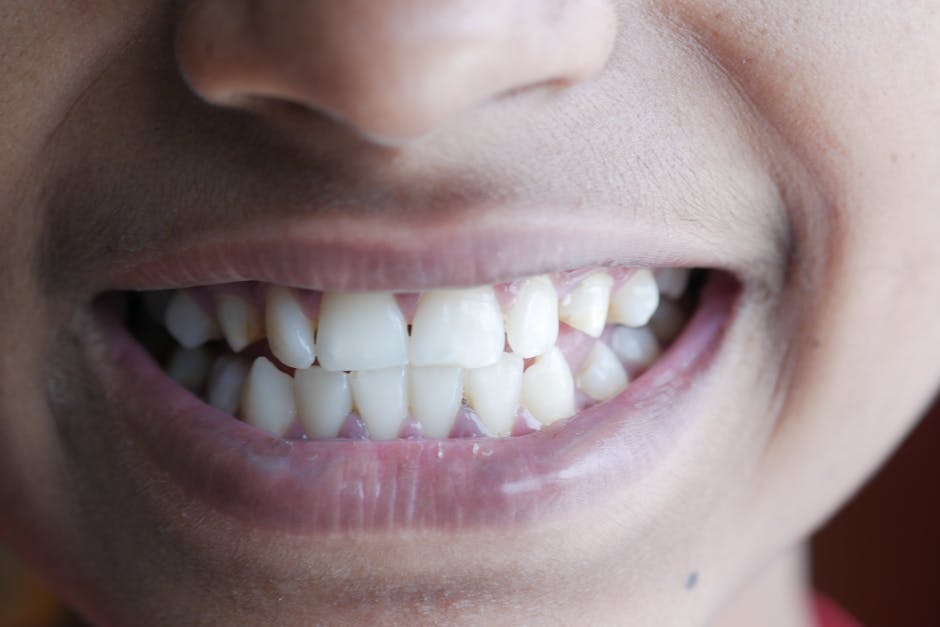
Worn teeth can sneak up slowly. One day, the edges look a little flatter. Then chewing feels different, a tooth chips, or the smile starts to look shorter than it used to. By the time many people notice the change, the wear has often been building for years.
Tooth wear is common because teeth work hard every day. They handle chewing, temperature changes, acidic foods and drinks, brushing habits, and sometimes nighttime grinding. The CDC reports that 13.2% of adults aged 65 and older had complete tooth loss in 2017-March 2020, showing how important long-term dental protection becomes with age.
What Causes Worn Teeth?
Worn teeth can happen for several reasons. One of the most common is bruxism, or teeth grinding and clenching. Many people grind their teeth during sleep and do not realize it until a dentist spots flattened enamel, small cracks, or jaw tension.
Acid erosion is another major cause. Soda, citrus, wine, sports drinks, reflux, and frequent snacking can soften enamel over time. Once enamel thins, teeth may look yellow, feel sensitive, or become more prone to chips.
Aging also plays a role. Teeth naturally collect wear over decades, especially if someone has an uneven bite, old dental work, missing teeth, or habits such as chewing ice or biting nails.
Can Worn-Down Teeth Be Fixed?
In many cases, yes. The right treatment depends on how much enamel has been lost, whether the bite is stable, and whether the tooth is cracked, sensitive, or weakened.
For mild wear, a dentist may recommend bonding, enamel smoothing, fluoride treatment, or a custom night guard. A night guard can be especially useful when grinding is the main problem because it helps protect teeth from further damage.
For moderate to severe wear, restorative dentistry may be needed. Dental crowns can cover and protect weakened teeth, while veneers may improve the appearance of front teeth that are worn, chipped, stained, or uneven. Inlays and onlays may also be used when damage is too large for a filling but does not require a full crown.
Are Veneers A Good Option?
Veneers may be a good option when the main concern is cosmetic wear on the front teeth. They can help improve the look of teeth that appear short, uneven, chipped, or discolored.
However, veneers are not always the best choice if grinding is still active or if the teeth are structurally weak. In those cases, a dentist may recommend strengthening the teeth first or using crowns instead.
What If Teeth Are Missing Too?
Worn teeth and missing teeth often overlap. When one or more teeth are missing, the remaining teeth may take on extra pressure, which can make wear worse.
Dental implants, bridges, or partial dentures may be discussed depending on the patient’s oral health, bone support, budget, and goals. Replacing missing teeth can help improve chewing and may reduce strain on the remaining teeth.
When Are Crowns Used For Worn Teeth?
Crowns are often used when a tooth has lost significant structure or is at risk of cracking further. A crown covers the visible part of the tooth, helping restore shape, strength, and function.
Some practices now use same-day crown technology. The expert team at Cascade Dental in Vancouver, WA, explains that crowns are often used when worn, cracked, or weakened teeth need added protection, since the restoration covers the tooth and helps restore its shape, strength, and function. This is one example of how modern dental technology can reduce the number of visits needed for certain crown cases.
How To Prevent More Tooth Wear
Fixing worn teeth is only part of the process. The cause also needs to be addressed. That may mean wearing a night guard, treating acid reflux, changing brushing technique, reducing acidic drinks, or correcting bite problems.
A dentist can also check whether old fillings, crowns, or missing teeth are changing how the bite comes together. Small bite issues can create heavy pressure on certain teeth, leading to cracks and uneven wear.
When To See A Dentist
Anyone with tooth sensitivity, sharp edges, shorter-looking teeth, jaw soreness, chips, or visible flattening should schedule a dental exam. Worn teeth are usually easier to treat before they break, become painful, or require more complex care.
As one general dental rule puts it: “The earlier tooth wear is found, the more options patients usually have.”
A dentist can identify the cause, explain whether the damage is mild or advanced, and recommend treatment that protects both the smile and the bite.
Cascade Dental
infofl@cascadedental.com
+1-360-892-2994
16703 SE McGillivray Blvd #100
Vancouver
WA
98683
United States