Tacoma, WA, plumbers discuss when it’s time to repair or replace a toilet and the common causes of clogs.
Tacoma, United States – April 30, 2026 / Hunt’s Services /
How to Better Care for a Home’s Toilets
A toilet sees more daily use than almost any other fixture in a home, yet it tends to receive attention only after something has already gone wrong. Recognizing the early warning signs of toilet trouble and building smarter habits around how the fixture is used can prevent the kind of plumbing problems that disrupt an entire household. Looking closely at what signals repair or replacement, how clogs form and can be avoided, and how the sewer line plays into toilet performance creates a complete picture of what good toilet care actually looks like.
Signs a Toilet Needs Repair or Replacement
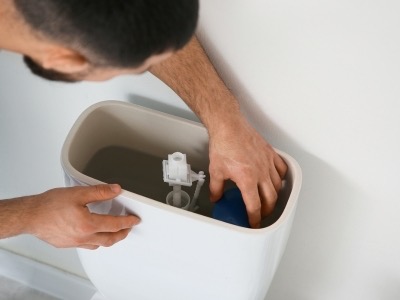 A toilet that runs continuously after flushing is one of the most common signs that internal components have worn out, with a faulty flapper, a misaligned float, or a failing fill valve typically being the root of the problem. Water pooling around the base of the toilet or seeping from the tank points to a leak that will only worsen with time, damaging flooring, subflooring, and nearby cabinetry if left unaddressed. Frequent clogging, weak flushes that fail to clear the bowl, and incomplete flushes that require a second attempt all suggest the toilet is no longer functioning the way it was designed to.
Cracks in the porcelain bowl or tank move the situation beyond a repair conversation and into the territory of replacement, as cracked porcelain cannot be reliably fixed and will eventually lead to a significant water leak. A crack in the bowl is a structural failure, not a cosmetic one, and a toilet in that condition poses a real risk of causing water damage or a complete fixture failure without warning. Any visible fracture in either the bowl or the tank is a clear and immediate indicator that a replacement should be scheduled before the situation becomes an emergency.
Toilets that seem to demand constant repairs are also signaling that their useful life is drawing to a close, since recurring issues with the same fixture often cost more in service calls and replacement parts over time than a new unit would. Older toilets, particularly those installed more than 25 years ago, tend to consume significantly more water per flush than modern low-flow and high-efficiency models, quietly driving up water bills month after month. Replacing an aging, inefficient toilet is not just a matter of function but a practical decision that pays for itself through reduced water consumption over time.
Tips for Preventing Toilet Clogs
 The most effective prevention against toilet clogs starts with a clear and consistent rule about what belongs in the bowl, and that rule is straightforward: only human waste and toilet paper should ever be flushed. Paper towels, facial tissues, baby wipes, and products marketed as flushable wipes do not break down in water the way toilet paper does, and sending them down the drain sets the stage for stubborn blockages that a plunger alone may not resolve. Dental floss, cotton balls, cotton swabs, and feminine hygiene products belong in a trash bin, and keeping a small waste basket near every toilet makes that choice easy for everyone in the household.
Even toilet paper, used in excessive quantities and flushed all at once, can overwhelm the drain and create a clog that builds gradually in the pipe until water can no longer pass through freely. Using a reasonable amount of toilet paper per flush and splitting larger amounts across two flushes keeps the volume of material in the drain at a manageable level without any significant inconvenience. That small adjustment in habit is one of the simplest ways to reduce the frequency of clogged toilet calls and keep the plumbing flowing as it should.
Establishing these habits as household norms rather than one-time reminders makes the difference between a toilet that performs reliably for years and one that causes recurring problems. In homes with children, explaining which items belong in the trash versus the toilet prevents the curiosity-driven flushes that often lead to unexpected blockages. A small investment in clear household rules around toilet use saves a significant amount of time, frustration, and repair costs over the long run.
How Sewer Lines Impact Toilets
The toilet does not operate in isolation; it is directly connected to the home’s main sewer line, which means problems developing in that line will eventually make themselves known through the toilet’s performance. A clog forming in the sewer line restricts the flow of waste leaving the home, and as that restriction grows, the effects show up as frequent toilet clogs, slow draining, and sewage backups that push waste back up through the bowl or floor drains. When a toilet begins clogging repeatedly despite nothing unusual being flushed, the sewer line deserves a closer look from a professional.
The relationship between toilet habits and sewer line health is more interconnected than most homeowners realize, because an item that clears the toilet trap does not necessarily clear the entire plumbing system. Wipes, paper products, and other non-flushable items may travel past the toilet without causing an immediate blockage, yet settle and accumulate further down the sewer line where they combine with grease, debris, and other buildup over time. That gradual accumulation narrows the sewer line until it reaches a point of restriction that sends problems back toward every toilet and drain in the home.
Understanding that the toilet and the sewer line share consequences for the same habits reshapes the importance of proper flushing practices as a matter of whole-system plumbing health. A sewer line clog is a more involved and costly repair than a standard toilet clog, often requiring professional drain cleaning or a full sewer video inspection to locate and clear the blockage. Keeping non-flushable items out of the toilet from the start is one of the most practical steps a household can take to protect both the toilet and the sewer line it depends on.
About Hunt’s Services
Hunt’s Services is a trusted plumbing, heating, air conditioning, and electrical company serving Tacoma, WA, and beyond. They offer straightforward pricing, professional workmanship, and same-day service. Call them today for toilet installation and repair in Tacoma, WA.


Contact Information:
Hunt’s Services
8111 Pacific Hwy E
Tacoma, WA 98422
United States
Faruk Oyebanjo
(253) 533-7500
https://www.huntsservices.com/