LIUZHOU, GUANGXI, CHINA, November 26, 2026 /EINPresswire.com/ — # Top Private Utility Vehicle Types Gain Attention Across Diverse Applications in 2026
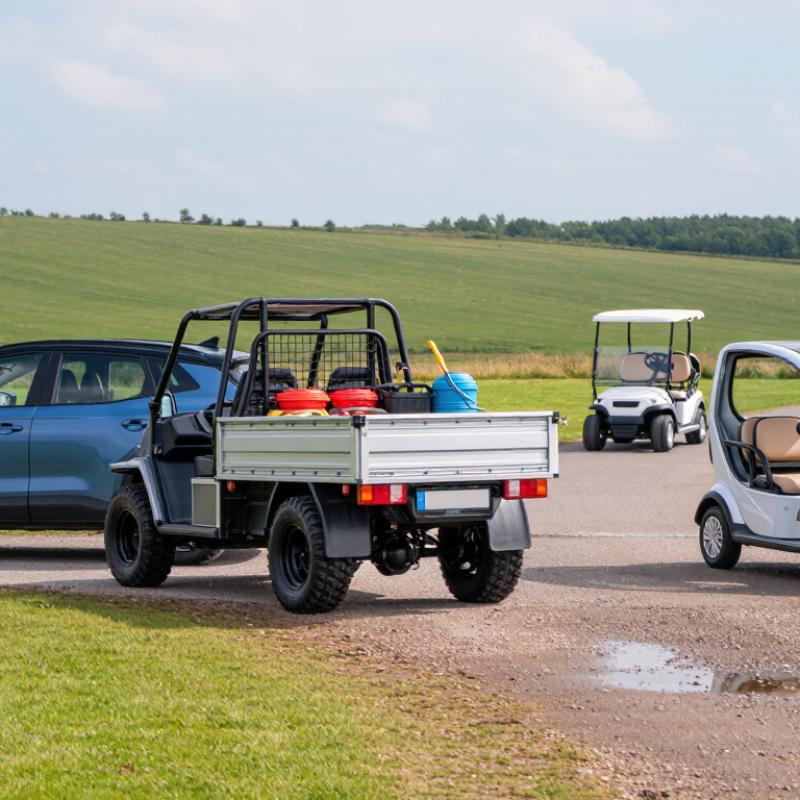
Private utility vehicles in 2026 cover a wide range of machines, including farm-ready utility vehicles, side-by-sides, compact low-speed vehicles, and golf carts. Because manufacturers use different names for similar designs, buyers should compare vehicles based on their intended tasks, capacity, terrain, and operating requirements rather than labels alone.
A side-by-side is suitable for muddy trails and hauling equipment, while a golf cart works better on smooth paths and short trips. Compact sport utility vehicles offer enclosed seating and comfort for paved roads but are not replacements for off-road work vehicles on rugged terrain. Passenger space, cargo capacity, range, maintenance, and terrain capability all influence the choice.
## Defining Private Utility Vehicles in 2026
Private utility vehicle is a use-based term rather than one universally fixed vehicle class. It generally covers privately operated machines designed to transport people, tools, or small loads across farms, estates, campuses, and large properties. Common types include side-by-side utility vehicles, golf-style carts, and low-speed electric vehicles.
In the United States, NHTSA’s Federal Motor Vehicle Safety Standard No. 500 defines low-speed vehicles as four-wheeled vehicles capable of speeds above 20 mph and up to 25 mph, with gross vehicle weight below 3,000 pounds. This helps distinguish road-oriented low-speed models from many off-road side-by-sides. Buyers should also consider seating, payload, terrain, weather protection, braking, and charging or refueling needs.
Grand View Research estimated the global UTV market at approximately US$8.9 billion in 2023, with around 6.8% annual growth projected through 2030. This is a market estimate, not a count of private owners, and definitions may differ. Choosing a vehicle that matches specific routes and loads can help avoid unnecessary size and operating costs.
## How Private Utility Vehicles Are Classified
Private utility vehicles can be grouped by purpose, layout, capacity, and operating environment. Work-focused models carry tools, feed, or materials, while side-by-sides offer seated passengers, steering-wheel control, and commonly available four-wheel drive. Compact carts support short trips on firm surfaces. Utility tractors belong to a related but distinct category, using implements such as mowers or loaders for land maintenance.
When comparing vehicles, buyers should check payload, towing limits, ground clearance, turning radius, braking, and tire suitability. Gravel, grass, and muddy soil create different operating conditions. A larger vehicle is not automatically more capable, as weight distribution and tire selection also affect performance. Specifications and permitted uses vary by model and location.
### Top Private Utility Vehicle Types in 2026
**Utility Terrain Vehicle (UTV / Side-by-Side):** UTVs typically feature side-by-side seating, steering-wheel control, seat belts, and a rear cargo bed. They may accommodate two or more passengers and are used for hauling tools, property maintenance, and transporting people around large sites. Common environments include farms, ranches, trails, estates, and off-road areas. Road access depends on local laws and vehicle equipment.
**Utility All-Terrain Vehicle (ATV):** ATVs usually have straddle seating, handlebar steering, and four wheels, with optional racks or trailer connections. They are used for land inspection, light hauling, and accessing narrow or rough routes. Their typical operating environments include private land and off-road paths. ATVs differ from side-by-side UTVs primarily in riding position and steering layout.
**Golf Cart:** Golf carts are compact, low-speed vehicles with bench seating and electric or gasoline power. Some models include small cargo areas. They are commonly used for short-distance passenger transport and light errands on golf courses, campuses, resorts, and private communities where permitted. They are not automatically road-legal.
**Utility or Industrial Cart:** These small work vehicles often feature flatbeds or enclosed cargo areas and may use electric or gasoline power. They transport supplies, maintenance equipment, and materials across warehouses, campuses, farms, gardens, and controlled-access sites. Their classification depends on design and intended use, while public-road eligibility varies.
**Neighborhood Electric Vehicle (NEV) / Low-Speed Vehicle (LSV):** NEVs and LSVs are compact, road-oriented vehicles, typically electric, with seating and safety equipment required by local regulations. They serve short trips on permitted low-speed streets and designated routes. In the United States, federal LSV standards generally cover four-wheeled vehicles with speeds above 20 mph and no more than 25 mph, and a gross vehicle weight rating under 3,000 lb.
**Compact Utility Tractor:** Compact utility tractors are small, low-speed tractors that can support implements such as mowers, loaders, and three-point hitch attachments. They are used for landscaping, grounds care, snow removal, and property maintenance on private land, gardens, small farms, and maintained grounds. They are classified primarily as agricultural or maintenance equipment rather than passenger utility vehicles.
Classification and road-use rules vary by country, state, and local authority. Vehicle design, equipment, and operating area may also affect categorization.
## Sport Utility Vehicles for Versatile Everyday Use
Sport utility vehicles remain a flexible choice for drivers who need one vehicle for different daily tasks. Raised seating can improve visibility, while wide rear openings and split-folding seats help accommodate groceries, luggage, and bulky items.
For commuting, consider parking dimensions, rear visibility, and maneuverability. All-wheel drive may help on slippery roads but is not essential for every driver. Fuel use, tire costs, and service access should also be evaluated.
Families carrying sports gear may prioritize washable cargo surfaces and low loading height. Drivers transporting tools may compare SUVs with electric utility trucks based on payload and cargo layout. Testing rear-seat comfort and loading frequently carried items can help identify the most practical option.
## Pickup Trucks for Hauling and Towing
Pickup trucks are designed to handle bulky loads and towing through their frames, suspension systems, and trailer equipment. However, towing capacity alone does not determine suitability. Buyers should check the exact vehicle configuration, payload, hitch rating, and trailer tongue weight because passengers, tools, and cargo also use payload capacity.
The National Highway Traffic Safety Administration recommends following vehicle and hitch limits and distributing trailer weight correctly. Trailer loads can reduce the remaining capacity for people and gear in the cab, while steep grades and crosswinds can affect handling.
In a 2017 test, the American Automobile Association reported an average 24% drop in fuel economy while tested vehicles towed a 2,500-pound trailer. This is not a universal forecast because trailer shape, speed, terrain, and load affect fuel consumption. Drivers should budget for additional fuel and braking distance.
## Passenger and Cargo Vans for Flexible Transport
Passenger vans carry family members, sports equipment, or groups of coworkers, making them useful for shared transportation. Adjustable seating, accessible entry, clear sightlines, and passenger legroom are important considerations.
Cargo vans suit home projects, outdoor equipment, and business errands. Low loading steps and tie-down points can make transporting heavy items easier and help prevent cargo from shifting. Buyers should compare interior measurements with the items they regularly carry rather than relying only on cargo volume.
Removable seats and flexible partitions provide versatility but may affect noise, weight, and storage. Testing door access, seat adjustments, and loading space with typical cargo helps determine whether a van fits daily needs.
## Crossovers and Compact Utility Vehicles for City Driving
Crossovers and compact utility vehicles balance cabin space with manageable dimensions for urban driving. Raised seating may improve traffic visibility, but rear-window visibility and pillar design vary by model. Buyers should test parking, turning, and maneuvering in confined spaces.
Shorter bodies can make compact vehicles easier to park, while folding rear seats accommodate groceries, strollers, and boxes. Compare turning radius, door-opening space, fuel use, and charging requirements against regular routes. Larger vehicles may offer more space but can create daily parking challenges.
China Utility Tractor refers to a different equipment category rather than a city crossover. Urban drivers should focus on ride comfort, practical controls, and driver-assistance features. Testing familiar routes and parking conditions can provide a more realistic assessment than specifications alone.
## Off-Road Utility Vehicles for Private Recreation and Work
Off-road utility vehicles serve landowners who need transportation for recreation, hauling, and seasonal work. Side-by-side UTVs carry passengers, tools, and supplies across rough trails. Their cargo beds can transport firewood or fencing materials, but loading affects braking and stability, so operators should follow the manual’s limits.
Compact utility tractors support heavier, slower tasks such as grading driveways or moving soil with compatible attachments. Smaller four-wheel-drive vehicles may maneuver more easily on narrow paths but generally carry less. On uneven land, tire selection, ground clearance, and turning space can be more important than engine size.
Buyers comparing equipment from a utility tractor factory should verify specifications for the exact model and attachment combination. Measuring gates, sheds, and trail widths before choosing a vehicle can prevent access problems. Maintenance accessibility, load ratings, safety equipment, and operator training also matter, particularly on wet slopes or uneven terrain.
## L2EV Light Truck: Long-Range Electric Performance and Battery Reliability
The L2EV Light Truck pairs an 86.55 kWh lithium iron phosphate battery with a stated driving range of up to 360 km per charge. It is intended for regional delivery routes and other predictable daily operations. Actual range varies with load, road conditions, temperature, and driving style. Its battery warranty is five years or 200,000 km, whichever comes first.
The International Energy Agency’s *Global EV Outlook 2024* reports that electric truck sales worldwide grew by nearly 35% in 2023, representing about 1.2% of total truck sales. As electrification expands, reliability and supplier support remain important alongside range. Fleet buyers should evaluate battery protection, parts availability, service access, warranty terms, charging infrastructure, and expected mileage.
## Conclusion
Private utility vehicles in 2026 include different vehicle types designed for passenger transportation, cargo handling, towing, property maintenance, and off-road use. Their classification depends on size, layout, capacity, operating environment, and intended purpose.
Sport utility vehicles provide flexible everyday transportation, pickup trucks support hauling and towing, and passenger or cargo vans offer adaptable space. Crossovers and compact utility vehicles suit urban driving, while UTVs, ATVs, carts, and compact utility tractors support work and recreation on private land.
The best vehicle depends on the driver’s routine, terrain, passenger and cargo needs, maneuverability, and operating costs. Comparing these practical factors helps buyers select a vehicle that matches their intended applications.
Dongfeng Liuzhou Motor Co., Ltd.
Dongfeng Liuzhou Motor Co., Ltd.
+ +86 15210108184
info@dongfengforthing.com
Legal Disclaimer:
EIN Presswire provides this news content “as is” without warranty of any kind. We do not accept any responsibility or liability
for the accuracy, content, images, videos, licenses, completeness, legality, or reliability of the information contained in this
article. If you have any complaints or copyright issues related to this article, kindly contact the author above.

Media gallery